Written by the Shiroumaso team — a ryokan that has welcomed guests in Hakuba for over 50 years
Looking for a destination in Japan where you can ski world-class powder, soak in natural hot springs, witness stunning autumn foliage, and hike through the Japan Alps — all in one place?
Hakuba is the answer.
Tucked at the foot of the Northern Japan Alps in Nagano Prefecture, this small mountain village hosted the 1998 Winter Olympics and has since grown into one of Asia's premier year-round mountain resorts, drawing visitors from around the globe.
In this guide, we'll walk you through everything you need to know about Hakuba: the top attractions, private onsen options, how to get there from Tokyo, and budget breakdowns — all from the perspective of people who actually live here.
Where Is Hakuba? Why Travelers Love It
Location & Geography
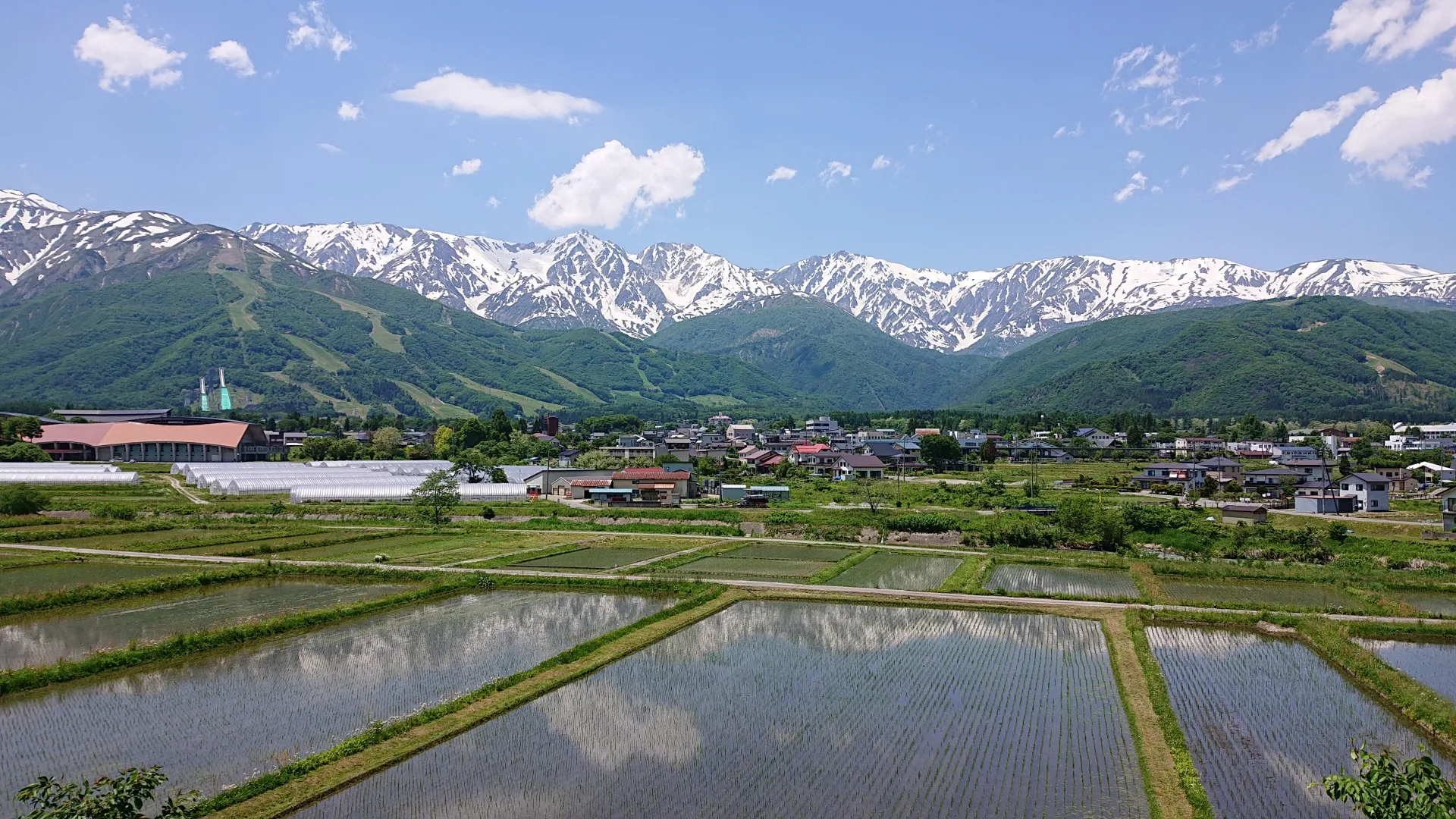
Hakuba is located in Nagano Prefecture, central Japan, at the base of the Northern Japan Alps (Kita Alps). The village sits at an elevation of roughly 700-750 meters above sea level. With a population of just 9,818 residents, it may be small, but it welcomes hundreds of thousands of visitors every year.
Covering 189 square kilometers, Hakuba is surrounded by peaks exceeding 3,000 meters, the tallest being Mt. Shiroumadake at 2,932 m. No matter where you stand, the mountain scenery is breathtaking.
3 Reasons Hakuba Is Special
1. World-Class Snow
Hakuba receives an average of 655 cm of snowfall per year, with peak snow depths reaching 187 cm. The legendary "Japow" (Japan Powder) — ultra-light, dry powder snow — consistently ranks Hakuba among the best ski destinations in Asia.
2. Four Dramatically Different Seasons
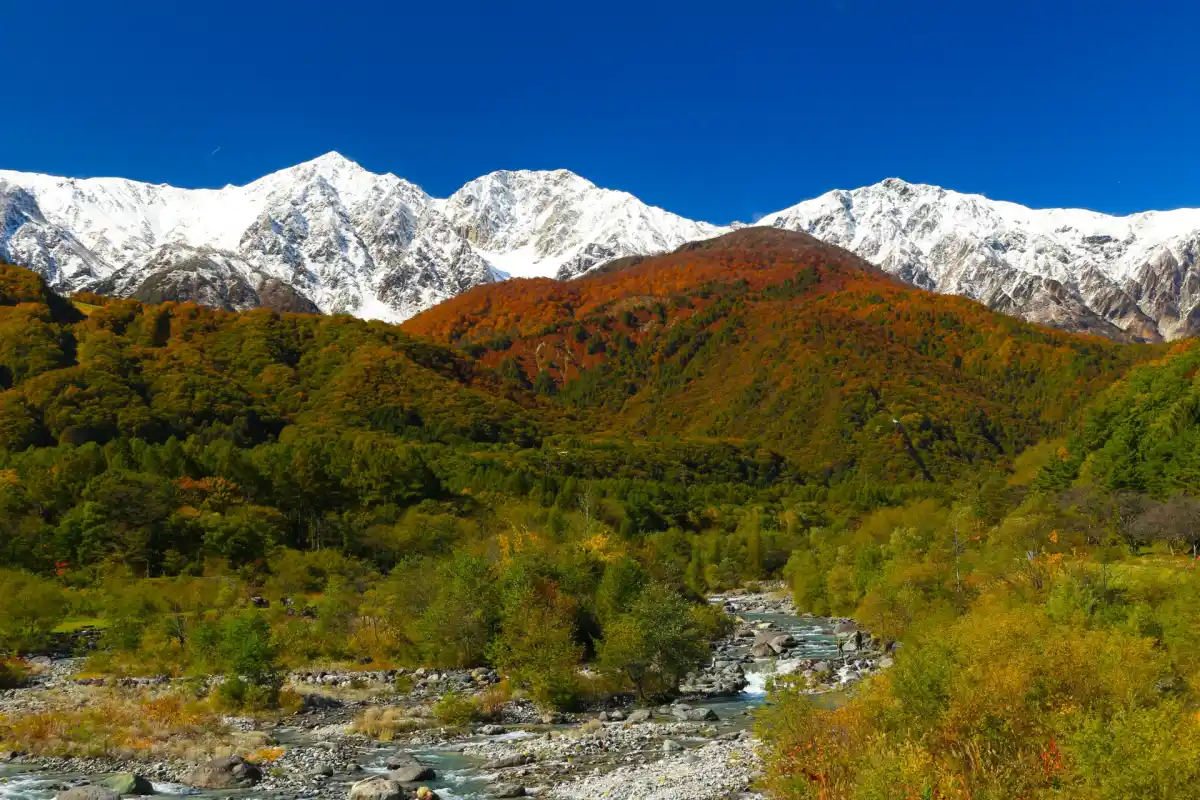
Hakuba is far more than a ski town. Summer temperatures peak at just 28°C, making it a perfect highland escape. Autumn brings the rare "Sandan Koyo" (three-tiered foliage) phenomenon found in very few places on Earth. Spring offers cherry blossoms framed by snow-capped peaks.
3. Authentic Ryokan & Natural Onsen
Hakuba's natural hot springs boast an alkaline pH of up to 11.2, earning the designation "Bijin no Yu" (Beauty Water). Day-use entry starts at just 600 yen (~120 THB / ~$4 USD). The village's traditional ryokan (Japanese inns), some operating for decades, offer an experience that modern hotels simply cannot replicate.
Hakuba Through the Seasons — What to Do All Year
With an average annual temperature of 9.6°C, every season in Hakuba offers a completely different experience.
Winter (Dec - Mar) — Skiing & Onsen
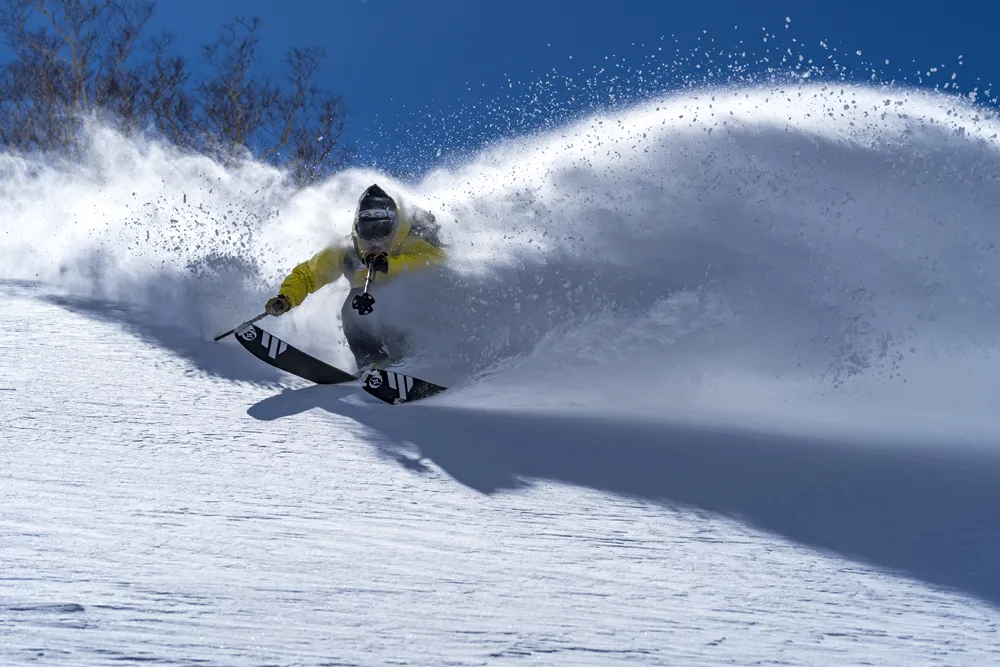
Temperature: avg. -2.8°C (Jan) | Snowfall: avg. 655 cm/year
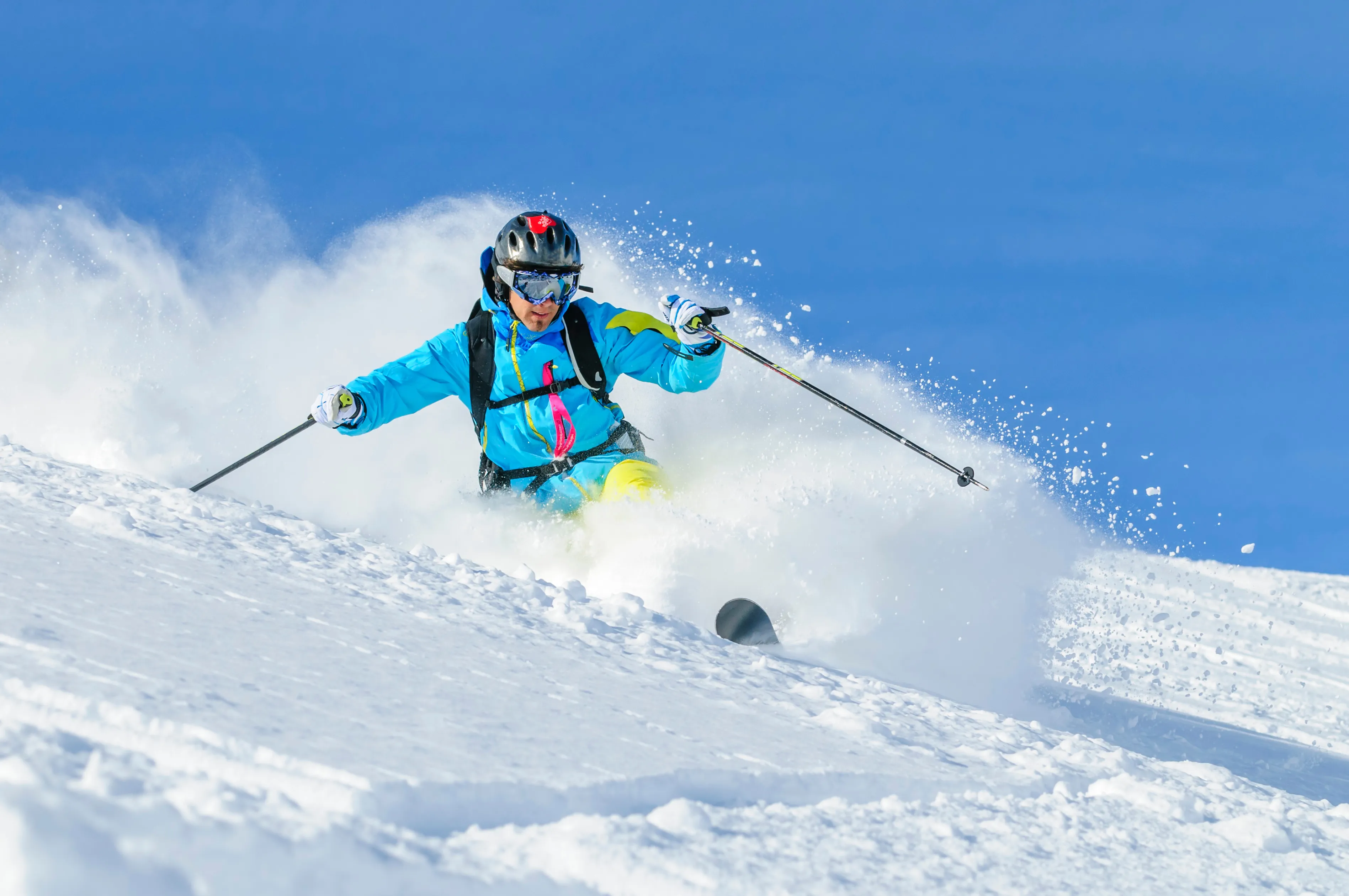
Winter is Hakuba's headline act. The 10 resorts of Hakuba Valley offer over 200 courses, from beginner-friendly slopes to expert backcountry terrain. Day lift passes range from 5,400 yen (~1,080 THB / ~$36) at Hakuba Cortina & Norikura to 9,500 yen (~1,900 THB / ~$63) at Hakuba Goryu & HAKUBA47.
After a full day on the slopes, nothing beats soaking in a steaming outdoor onsen surrounded by snow. Ryujin no Yu stays open 24 hours during the ski season, right next to the resort area.
Spring (Apr - May) — Cherry Blossoms & Trekking
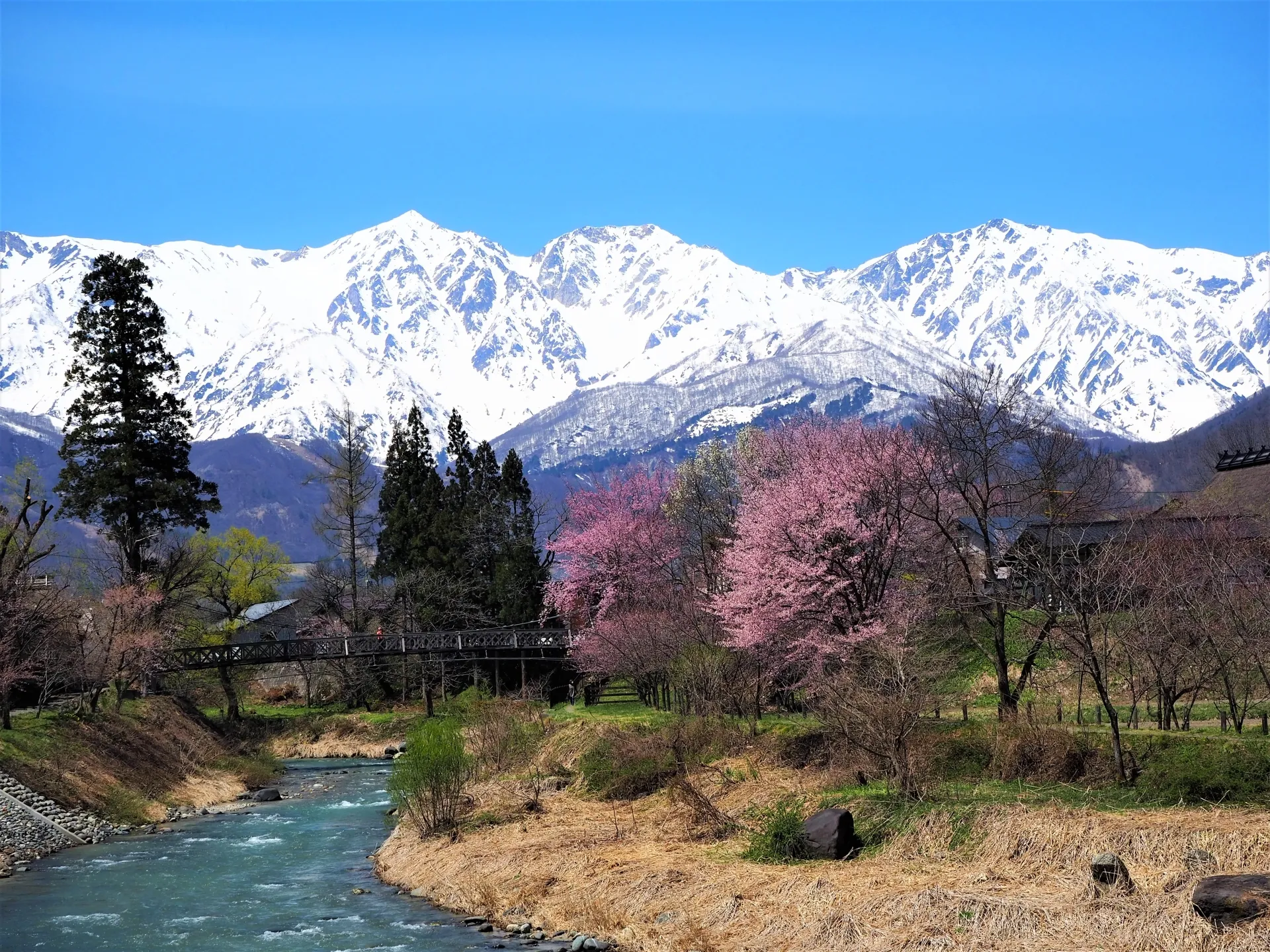
Temperature: avg. 7.6°C (Apr)
Spring arrives in Hakuba about a month later than in Tokyo. Cherry blossoms typically bloom in late April, creating a stunning contrast of pink petals against snow-capped peaks — a combination found almost nowhere else in Japan. It's also a great time for low-altitude hiking trails.
Summer (Jun - Sep) — Japan Alps & Outdoor Adventures
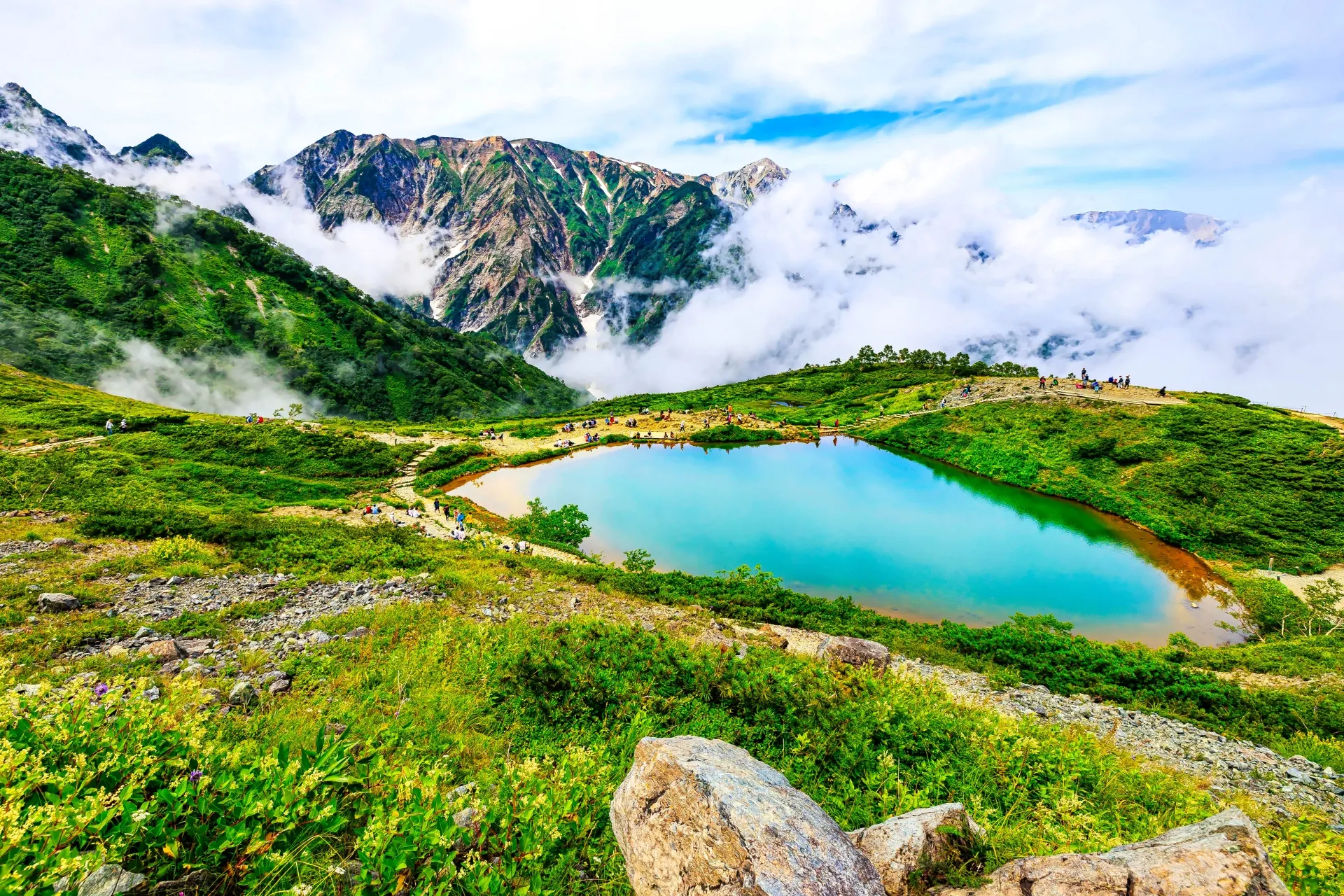
Temperature: avg. 21.5-22.6°C (Jul-Aug) | Max: 28.4°C
While major cities swelter, Hakuba stays pleasantly cool with highs of only 28°C — a perfect highland retreat. Activities range from the iconic Happo Pond trek and mountain biking to white-water rafting and paragliding.
Autumn (Oct - Nov) — Sandan Koyo: Three-Tiered Foliage
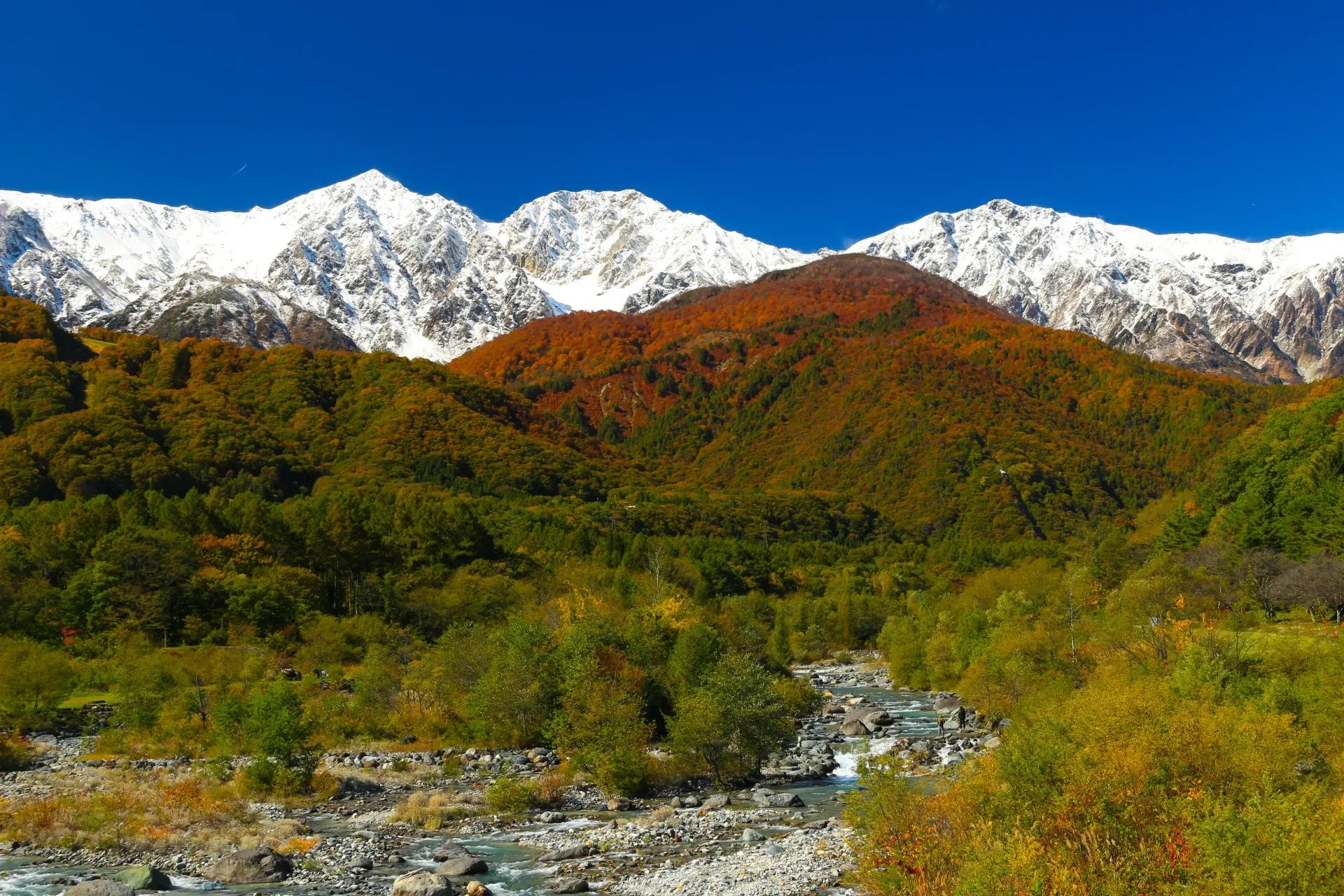
Temperature: avg. 11.9°C (Oct)
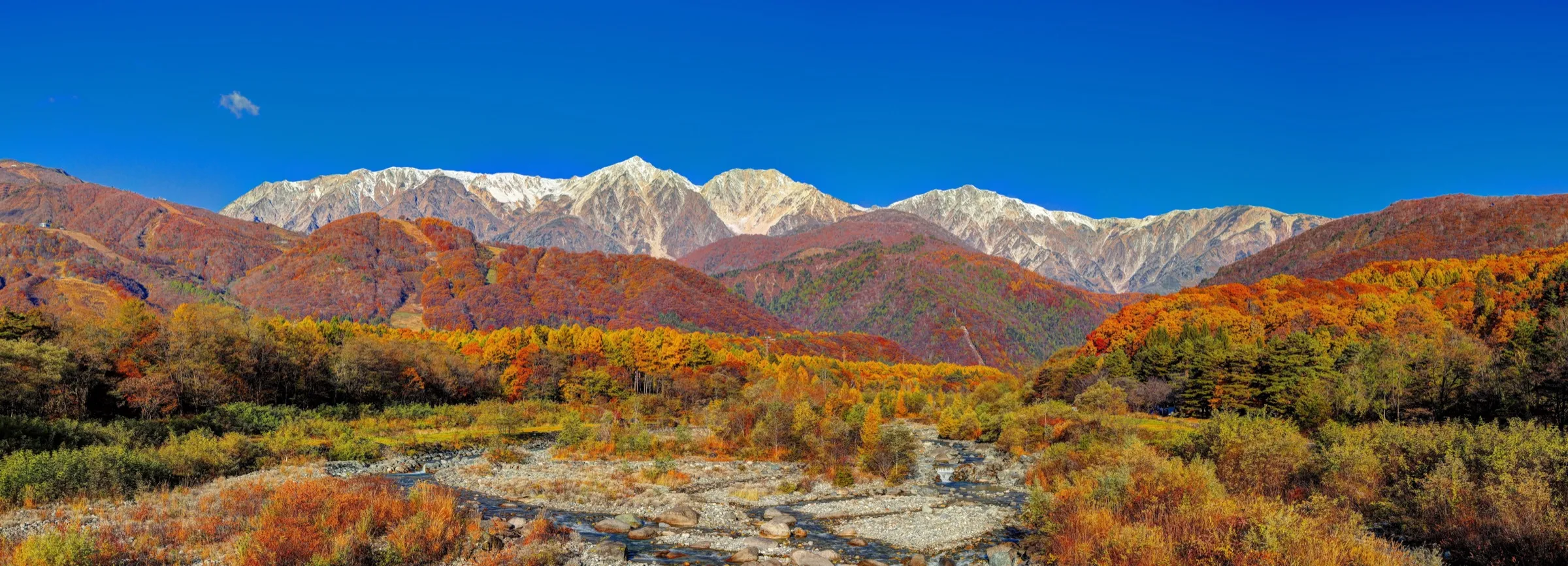
Hakuba is one of the few places in the world where you can witness "Sandan Koyo" (three-tiered autumn foliage): white snow on the summit, vivid red and gold leaves at mid-elevation, and green forest at the base. The dramatic altitude range (700-3,000 m) creates a breathtaking three-tone gradient that has to be seen to be believed.
Best time: Late October
Recommended viewpoints: Hakuba Ohashi Bridge and the Happo Gondola
Read more Hakuba Autumn Foliage 2026 — Sandan Koyo →5 Must-Visit Spots in Hakuba
1. Hakuba Mountain Harbor — A World-Class Panoramic Viewpoint
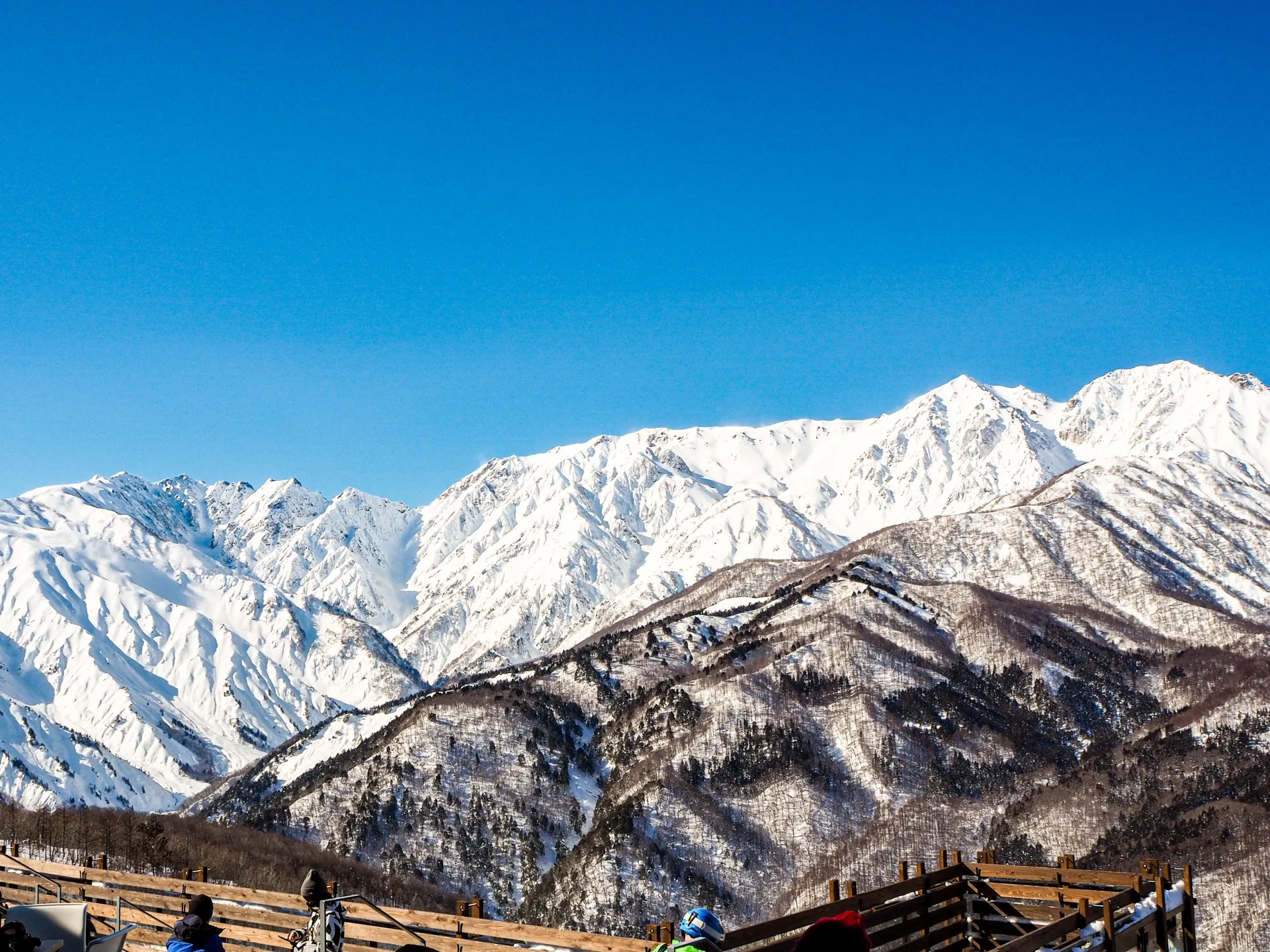
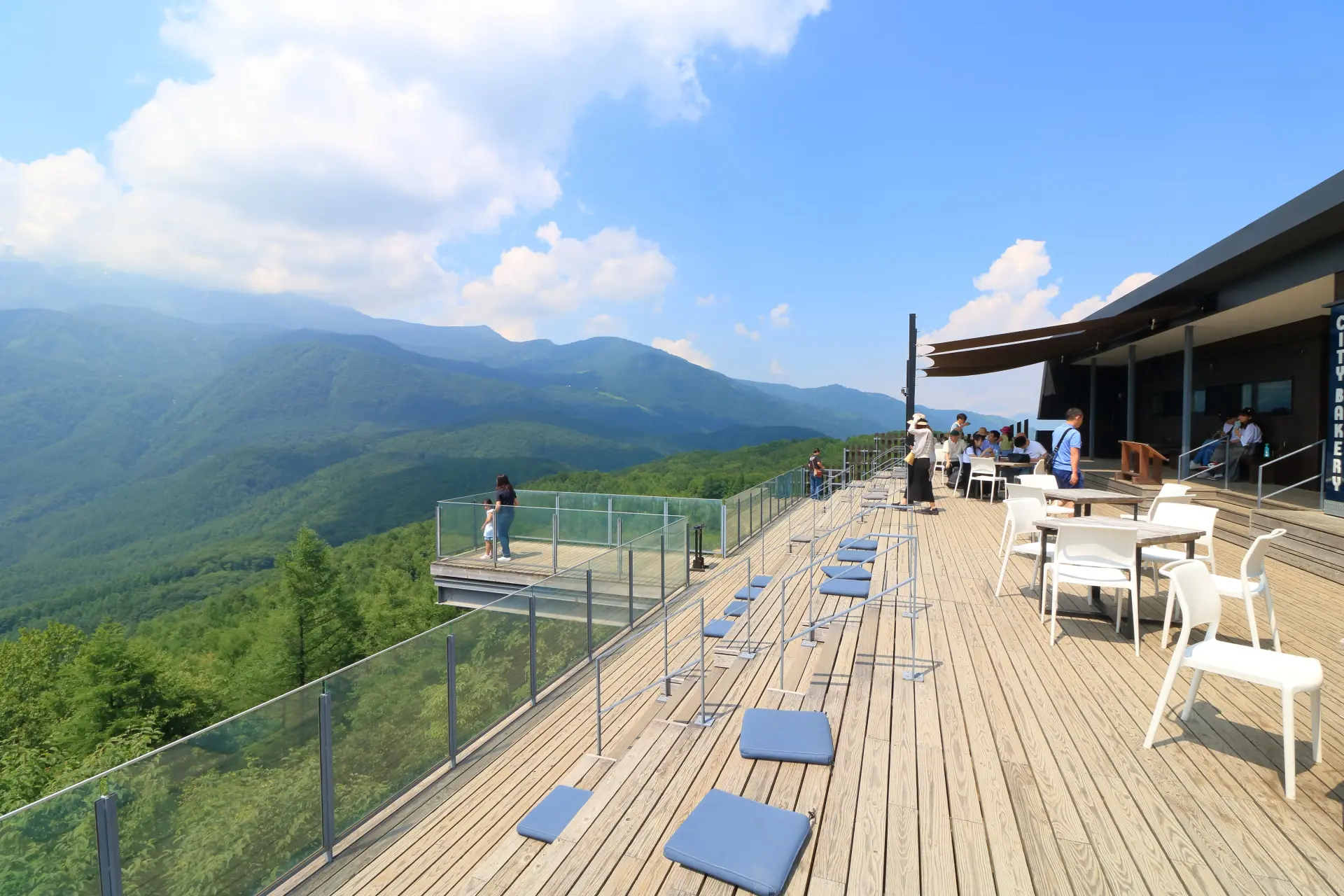
Perched atop Mt. Iwatake at 1,289 meters, Hakuba Mountain Harbor is just an 8-minute gondola ride from the base. At the top, you're greeted by a sweeping panorama of the Japan Alps that will quite literally take your breath away.
The highlight is THE CITY BAKERY cafe, where you can sip coffee and enjoy freshly baked croissants while gazing directly at the three peaks of Hakuba-san (Hakuba Sanzan). This is the photo spot everyone talks about.
| Item | Price |
|---|---|
| Gondola round trip | 2,400 yen (~480 THB / ~$16) |
| Resort Entry ticket | 2,900 yen (~580 THB / ~$19) |
| Summer Day Pass (all activities) | 4,500 yen (~900 THB / ~$30) |
Open: Green season Apr - Nov / Winter season Dec - Mar
2. Happo Pond — A Mirror Lake in the Mountains
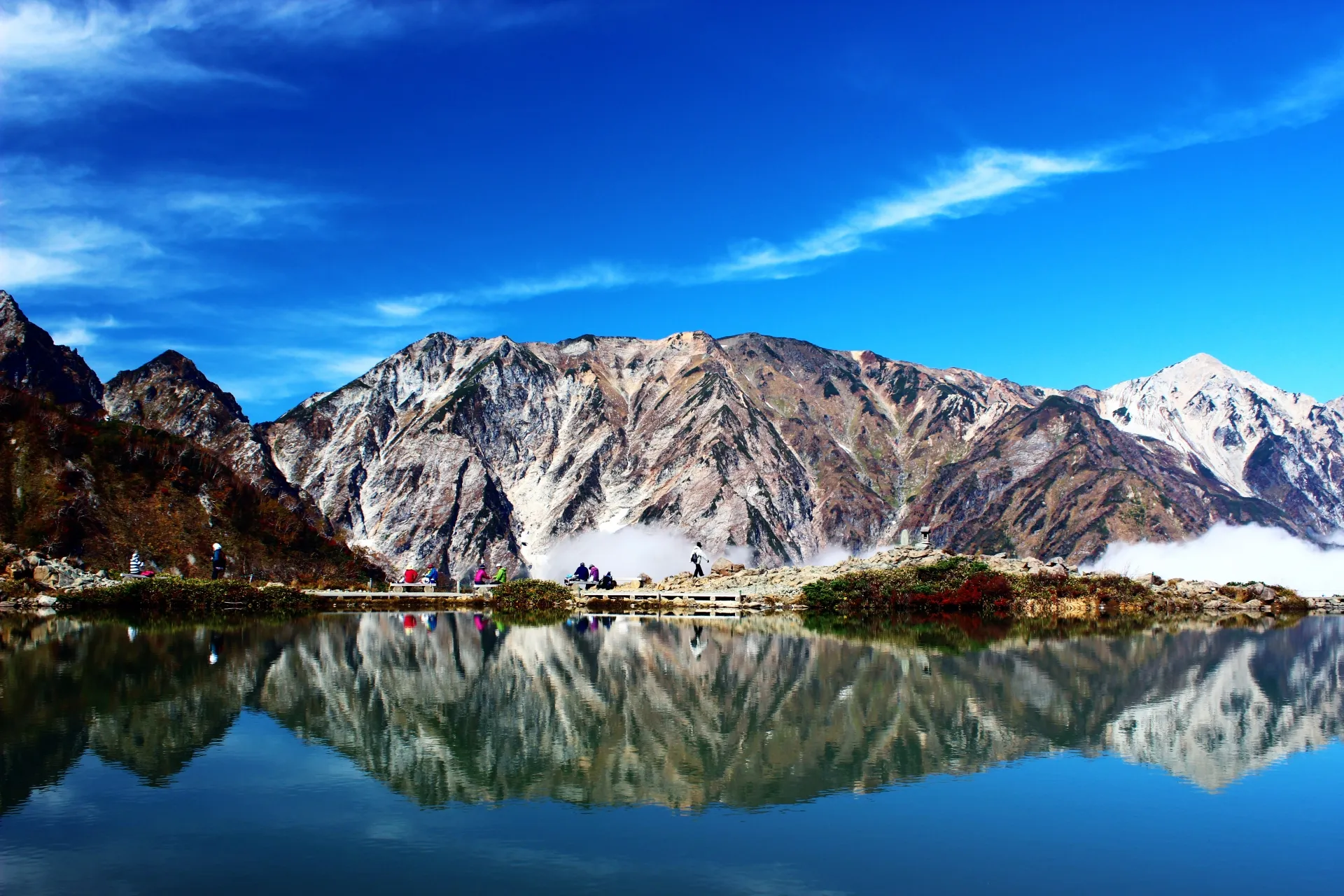
Happo Pond sits at 2,060 meters above sea level, its crystal-clear water reflecting the Japan Alps like a perfect mirror.
The best part? You don't need to be an experienced mountaineer to get there. A gondola and chairlift take you up to 1,830 m, then it's just a 1.5-2 km walk (gaining 230 m of elevation) — roughly 90 minutes on foot. The full round trip takes about 2.5-3 hours.
Sneakers work fine (hiking shoes recommended if you have them). It's suitable for all fitness levels.
Best time: Jul - Aug (alpine wildflowers) and late Sep - Oct (autumn foliage)
3. Hakuba Snow Hike — Walk on a Winter Wonderland
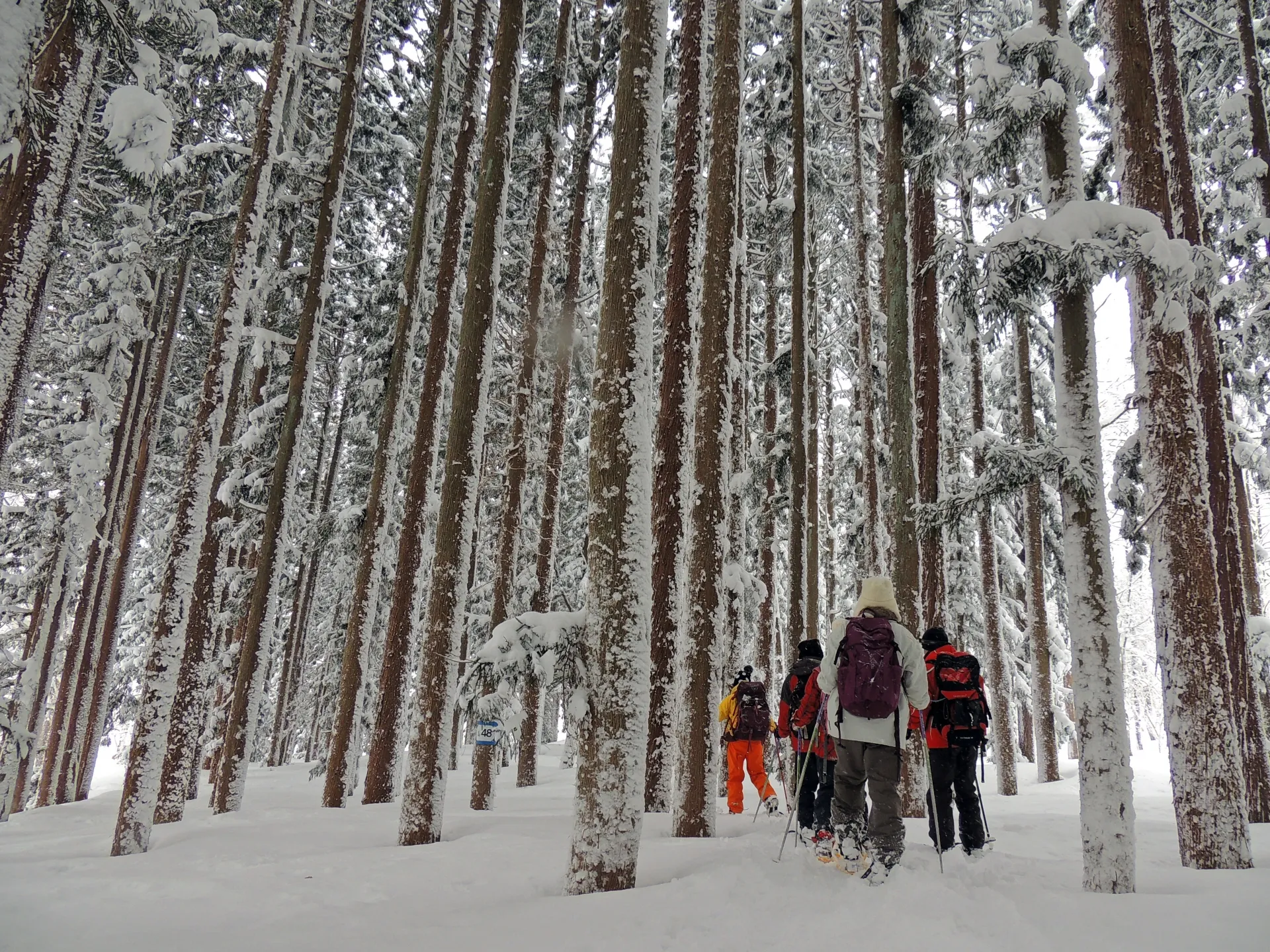
In winter, Hakuba offers a unique experience you won't find in many places: snow hiking. Strap on a pair of snowshoes and trek across pristine white fields through silent, snow-draped forests. The profound stillness of the snow-covered landscape is something truly special — particularly for visitors from countries where snow is a rarity.
4. Private Onsen & Kashikiri-buro — Soak in Privacy in Hakuba
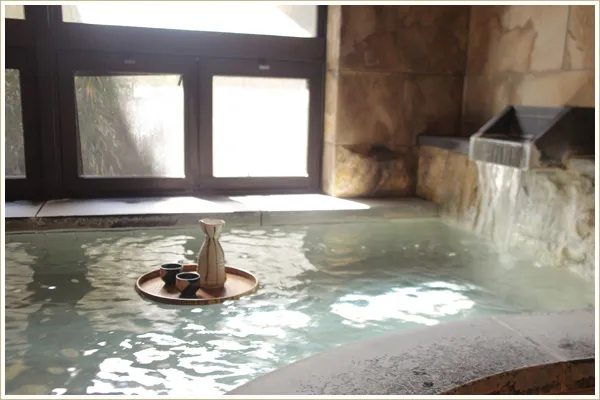
Most public onsen in Japan don't allow tattoos. A kashikiri-buro (private onsen) is the perfect solution — no worries about tattoos, and you can relax without sharing the bath with strangers.
Shiroumaso — Our Top Recommendation
At Shiroumaso, you can enjoy sake (Japanese rice wine) or beer while soaking in the hot spring — a rare experience even in Japan. The water is natural alkaline mineral water (pH 11) from the Hakuba Happo hot spring, known as "Bijin no Yu" (Beauty Water) for its silky skin-softening properties.
- Price: 3,000 yen (~750 THB / ~$20) per person per hour
- Tattoos: OK (private bath)
- Reserve via the inquiry form here →
Hakuba also has other private onsen options, including Obinata no Yu (a stunning open-air rock bath available for private rental in winter) and Hotel Sierra Resort Hakuba (three uniquely themed private baths).
5. Public Onsen (Day-Use Hot Springs) — The Authentic Japanese Bathing Experience
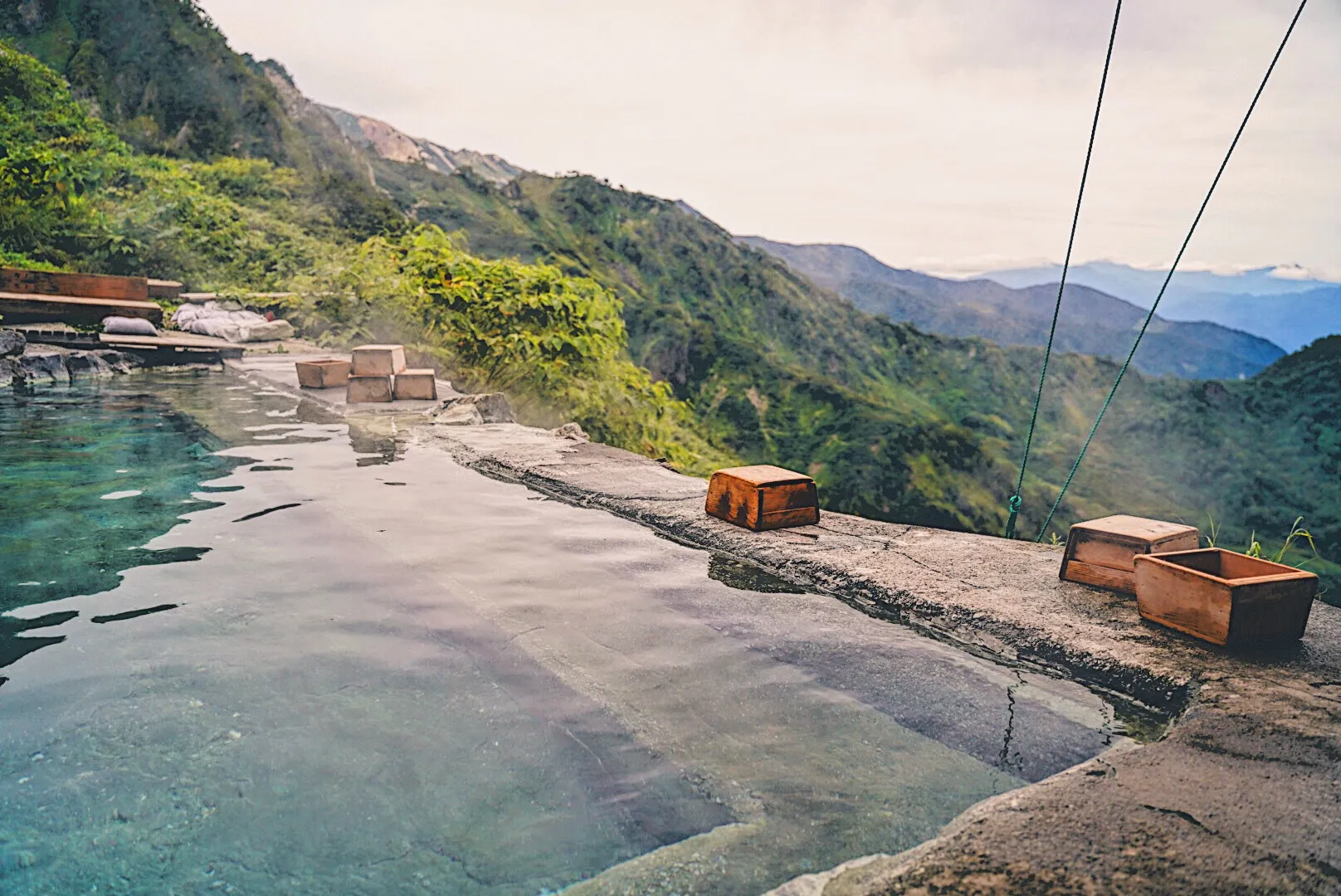
Beyond private onsen, Hakuba also has public day-use hot springs open to everyone at affordable prices. These communal baths draw from the same high-quality alkaline springs and offer a truly authentic Japanese bathing experience.
| Onsen | Price | Highlights |
|---|---|---|
| Happo no Yu | 800 yen (~160 THB / ~$5) | Outdoor bath, pH 11 alkaline water, near the Happo Gondola station |
| Ryujin no Yu | 800 yen (~160 THB / ~$5) | Open 24 hours in winter, right next to the ski resort — perfect after skiing |
| Mimizuku no Yu | 700 yen (~140 THB / ~$5) | Tranquil atmosphere, surrounded by nature — ideal for relaxation |
Note: Most public onsen do not allow visitors with tattoos. If you have tattoos, we recommend choosing a private onsen (kashikiri-buro) as described in the section above.
Read more Hakuba Onsen — 6 Hot Springs + Private Baths →How to Get to Hakuba + Travel Costs
From Tokyo — 3 Ways to Get There
| Method | Travel Time | Cost (one-way) | Best For |
|---|---|---|---|
| Shinkansen + Bus | ~3 hours | 11,310 yen (~2,260 THB / ~$75) | Time-conscious travelers |
| Highway Bus (from Shinjuku) | 5-5.5 hours | 5,200 yen~ (~1,040 THB / ~$35~) | Budget travelers |
| Rental Car | 4-5 hours | 8,700-10,500 yen (~1,740-2,100 THB / ~$58-70) | Groups / Flexibility |
Shinkansen route: Tokyo → Nagano (Hokuriku Shinkansen / 80 min) → transfer to bus at Nagano → Hakuba (60 min)
Tip: In winter, the Shinkansen + bus combo is recommended, as roads can be icy. If you do rent a car, studless winter tires are mandatory.
Read more How to Get to Hakuba — 4 Routes Compared by Price & Time →FAQ — Common Questions About Hakuba
When is the best time to visit Hakuba?
It depends on what you want to do. Skiing: Jan-Feb (peak powder). Cherry blossoms + snow: Apr. Trekking: Jul-Aug. Autumn foliage: late Oct. Hakuba has something going on every month — there's really no "wrong" time to visit.
Where exactly is Hakuba? Which airport should I fly into?
Hakuba is in Nagano Prefecture, central Japan. The nearest international airports are Narita (NRT) and Haneda (HND) in Tokyo. From Tokyo, it's about 3 hours by Shinkansen + bus to Hakuba.
Do I need a visa to visit Hakuba?
Visitors from many countries enjoy visa-free entry to Japan for tourism stays of up to 90 days. Check your country's specific visa agreement with Japan before traveling. Citizens of some countries may require a visa — consult the Ministry of Foreign Affairs of Japan website for the latest requirements.
What should I pack?
- Winter: Heavy winter coat, gloves, warm hat, snow boots (can be rented in Hakuba)
- Summer: Light jacket, sneakers or hiking shoes, sunscreen
- All seasons: Pocket Wi-Fi or local SIM card, Google Maps app, Japanese yen in cash (many shops don't accept cards)
Can I take day trips from Hakuba?
Absolutely! Matsumoto (Matsumoto Castle) and Nagano (Zenkoji Temple) are both easy day trips from Hakuba. See our Hakuba Day Trip Guide for routes and costs.
Can I visit onsen in Hakuba if I have tattoos?
Most public onsen in Japan don't allow tattoos, but Hakuba has a great solution: private onsen (kashikiri-buro). Shiroumaso offers a private bath at 3,000 yen (~750 THB / ~$20)/hour where you can even enjoy sake while soaking — tattoos are completely fine. See our private onsen section above for details and booking.
Why Hakuba Deserves a Spot on Your Japan Itinerary
- Hakuba is a world-class mountain resort with year-round appeal — it's far more than just a ski town
- Just 3 hours from Tokyo by bullet train — easy to combine with a Tokyo trip
- Natural hot springs from just ~120 THB (~$4), and private onsen for tattoo-friendly bathing
- The Happo Pond trek is accessible for all fitness levels
- "Sandan Koyo" is a phenomenon found in very few places on Earth (late October)
Related Articles
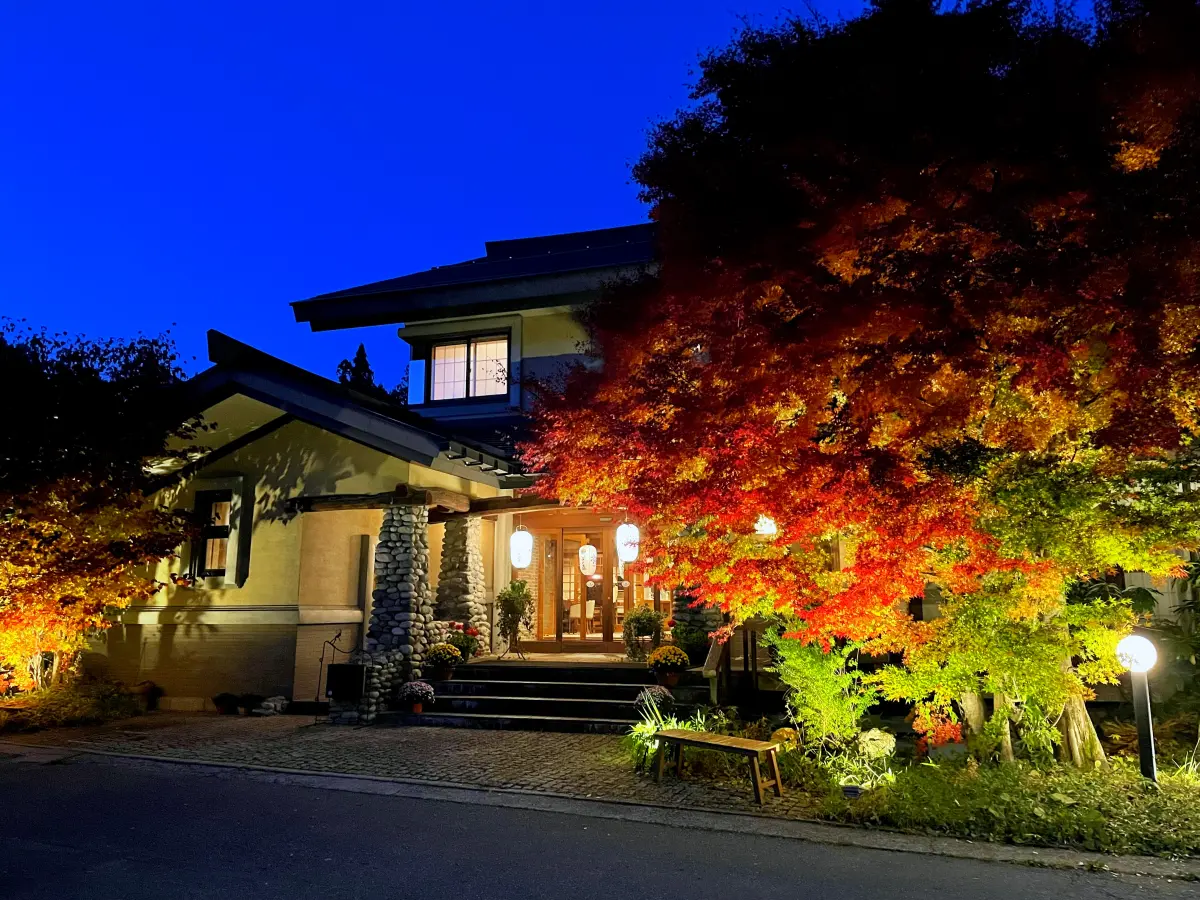
Want to stay at an authentic ryokan in Hakuba?
Shiroumaso has been welcoming guests for over 50 years, serving kaiseki cuisine made from local ingredients with private onsen and a team ready to host international visitors.
Check Availability & Book →Last updated: March 2026 | Prices and opening hours are subject to change. Please verify with official websites before traveling.